
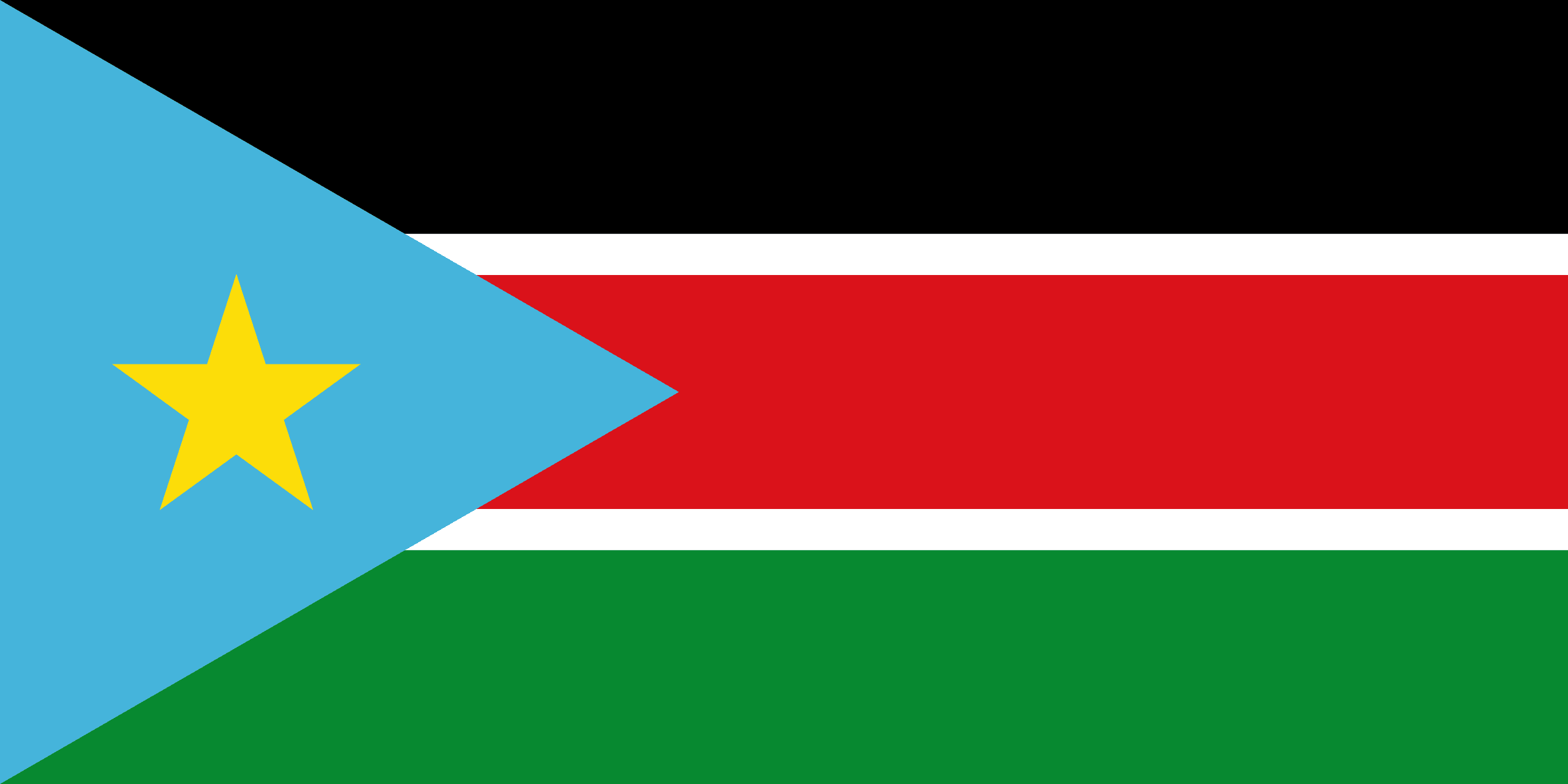
South Sudan Visa Requirements for South Africans
South Sudan requires an eVisa for South Africans
- Entry requirement
- eVisa
- Where you lodge it
- Apply online before travel
South Sudan Overview
South Sudan, officially known as the Republic of South Sudan, gained independence from Sudan in 2011 after years of civil war. It is the youngest country in the world and is located in East-Central Africa. The country is known for its diverse cultures, wildlife, and natural beauty, including the vast Sudd wetlands and the White Nile river.
Language
The official languages of South Sudan are English and Arabic. However, there are over 60 indigenous languages spoken throughout the country, with Dinka and Nuer being the most widely spoken.
Health Information
It is recommended that travelers to South Sudan receive vaccinations for yellow fever, hepatitis A and B, typhoid, and meningitis before their trip. Malaria is prevalent in the country, so it is important to take anti-malarial medication and use insect repellent. Medical facilities in South Sudan are limited, so travelers should have comprehensive travel insurance that includes medical evacuation.
Currency
The official currency of South Sudan is the South Sudanese Pound (SSP). It is recommended to carry US dollars in small denominations for exchange purposes, as credit cards are not widely accepted.
Weather
South Sudan has a tropical climate with a rainy season from April to October and a dry season from November to March. Temperatures can reach over 100°F during the dry season, so travelers should pack lightweight clothing and stay hydrated.
Cultural Etiquette
When visiting South Sudan, it is important to respect the local customs and traditions. Dress modestly, especially in rural areas, and always ask for permission before taking photos of people. Greetings are an important part of South Sudanese culture, so be sure to greet people with a handshake and a smile.
Transportation
Transportation in South Sudan is limited, with most roads being unpaved and in poor condition. Travelers can use minibusses, known as boda bodas, for short distances within cities. Domestic flights are available for longer journeys between major cities.
Safety
South Sudan has a high crime rate, including armed robbery, carjacking, and civil unrest. Travelers should exercise caution and avoid traveling alone, especially after dark. It is also important to stay informed about the current security situation in the country.
Local Attractions
South Sudan is home to several national parks and wildlife reserves, including Boma National Park and Nimule National Park, where travelers can see elephants, giraffes, and other wildlife. The capital city of Juba offers markets, museums, and cultural sites, such as the Juba Cathedral and the Dr. John Garang Mausoleum.
Capital City
The capital city of South Sudan is Juba, located on the White Nile river. Juba is the largest city in the country and serves as the political and economic center. Travelers can explore the city's markets, restaurants, and historical sites, such as the Juba Bridge and the South Sudan National Museum.
More eVisa Countries for South Africans
View all eVisa countries →
Information last reviewed: . Always verify with the relevant embassy before travelling.